Understanding Ring Size Basics
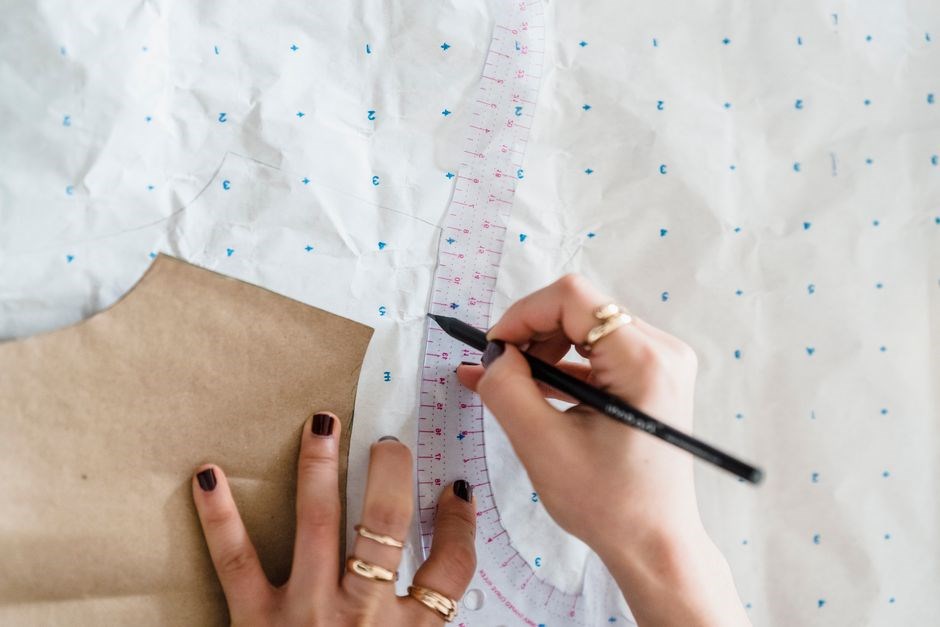
Ring size reflects the inner circumference of the band, measured in millimeters or inches. A standard US size 7 equals 17.3 mm, while UK 7 is 17.0 mm. Accurate sizing ensures comfort and durability—mistakes can lead to ill-fitting jewelry and costly returns. Use a ring sizer for accuracy. It saves time.
What Defines Ring Size?
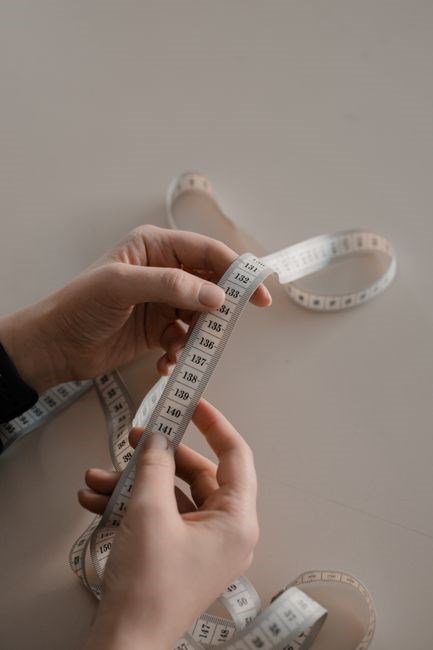
The term “ring size” refers to the precise inner diameter or circumference of a band that will comfortably fit a finger. Jewelers and manufacturers use a standardized system that translates a finger’s internal measurement into a numerical or alphabetical code. In most countries the size is expressed in millimeters of inner circumference, but in the United States it is often given as a number (e.g., 7, 8.5) or a letter (e.g., M, N). The conversion between these systems is based on a simple geometric relationship: the circumference equals the diameter multiplied by π (3.14159). Therefore, a ring with a 17.3 mm inner circumference has a diameter of about 5.5 mm. The size code is derived by measuring the finger while it is relaxed, then matching that measurement to a chart that lists the corresponding code. Because finger size can vary with temperature, time of day, and even the wearer’s activity level, jewelers recommend measuring at the end of the day when the finger is at its largest. The same size code can be applied to rings of different widths and shapes, but the actual fit may differ slightly due to the ring’s profile. For this reason, many jewelers provide a “fit guide” that shows how a particular size behaves with various band designs. Ultimately, ring size is a combination of the finger’s internal dimension and the chosen sizing system, and accurate measurement is essential to ensure a comfortable, secure fit. The International Organization for Standardization (ISO) has a ring size standard (ISO 2866) that defines sizes in millimeters. Most jewelers use this as a base, with each size increment representing a 0.5 mm change in circumference. The system ensures consistency across manufacturers and allows customers to compare sizes from different brands. Additionally, the shape of the finger—whether the knuckle is broader than the tip—can influence how a ring sits. Some jewelers offer a “finger profile” measurement that takes into account the width of the knuckle, the length of the finger, and the taper of the nail. This profile can help determine whether a standard size will feel snug or loose. When a ring is custom‑made, the jeweler can use the exact measurement to create a band that fits perfectly. The ring’s width also affects the perceived size; a wide band may feel smaller than a thin band of the same numerical size. Therefore, jewelers advise trying on rings of the same width as the intended purchase to gauge true fit. Finally, the setting of a stone can alter the required inner diameter. A ring that will accommodate a large, deep‑set stone may need a slightly larger inner circumference than a plain band of the same size code. Understanding these nuances helps ensure that the chosen ring not only looks right but also feels right on the finger. In practice, the most reliable way to confirm a size is to have it measured by a professional jeweler, who can account for all these variables and provide a precise recommendation.
Size Standards Across Countries
Ring sizing varies worldwide, yet most regions use a numeric or letter system tied to inner circumference. In the United States, sizes range from 3 to 13 (or 4 to 13.5 in half‑sizes), each step adding 0;5 mm to the inner diameter. The United Kingdom employs a letter scale (A–Z) where 7 mm equals a UK 7, and each half‑size increments by 0.25 mm; European sizes (EU, ISO 2866) are expressed in millimeters of inner circumference; a 16.5 mm ring is an EU 16.5. Japan uses a similar metric system but labels sizes 1–30, with 1 equaling 14.0 mm. Australia follows the UK letter system but often lists both letter and metric equivalents. Converting between systems requires a reliable chart: for example, a US 7 (17.3 mm) equals a UK 7 (17.0 mm) and an EU 16.5. Jewelers typically provide a conversion table on their websites, but customers should verify measurements with a professional sizer to account for regional rounding differences and the impact of ring width on perceived fit.
Ring sizing conventions differ subtly across continents, and jewelers often provide conversion charts to bridge gaps. In practice, a ring that fits comfortably in one country may feel slightly loose or tight when worn elsewhere, especially if the band’s width or setting design varies. Therefore, before finalizing a purchase, it is prudent to consult a local jeweler or use an online conversion tool that accounts for regional rounding practices. Adding a few millimeters can make a noticeable difference in comfort style. !
Updated yearly, 2026!
Tools and Techniques for Accurate Measurement
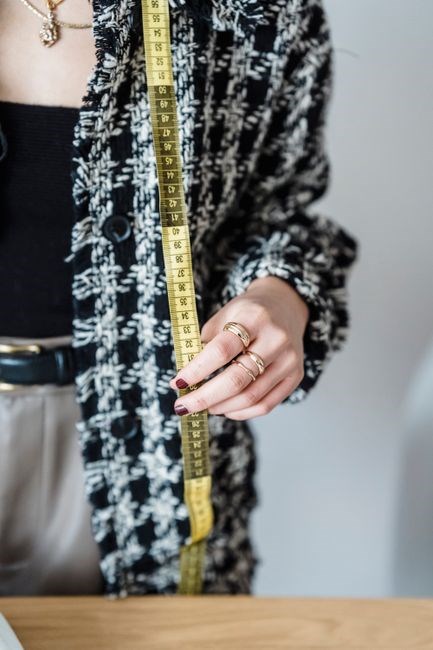
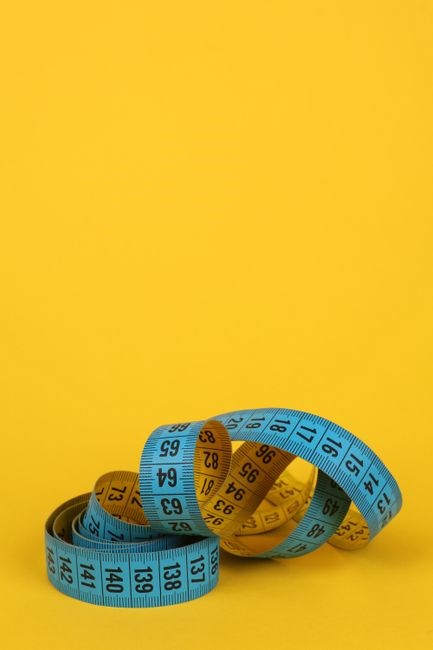
Use a calibrated ring sizer or a flexible measuring tape. Commercial kits offer a set of rings in known sizes for comparison. DIY methods include string or paper strip wrapped around the finger, then measured against a ruler. Checknow at room temperature.
Commercial Ring Sizers
Professional ring sizers are the gold standard for precision. They come in two main forms: the slide‑in set and the digital caliper. Slide‑in sets feature a series of pre‑measured rings, usually ranging from size 3 to 13, that fit snugly on the finger. The digital caliper uses a small, handheld device that measures the finger’s circumference to the nearest 0.01 mm. Both methods are favored by jewelers because they eliminate guesswork and provide a definitive size that can be cross‑checked with conversion charts. When purchasing a set, look for one that includes a clear, engraved scale and a sturdy, non‑slip handle. Many reputable brands offer a lifetime warranty, ensuring that the sizer remains accurate over time. For online shoppers, it’s wise to read customer reviews about durability and ease of use. A well‑made sizer will stay true even after repeated use, making it a worthwhile investment for those who want a reliable fit. If you prefer a digital option, choose a model with a backlit display and a memory function that stores your last measurement. This feature is handy when you need to compare sizes or keep a record of your ring size for future purchases. Follow the manufacturer’s instructions carefully, and if you’re unsure, consult a jeweler for a quick check. A small mistake in technique can lead to a ring that feels too tight or too loose, defeating the purpose of using a commercial sizer. These tools are sold in jewelry stores, online shops, and department stores, with prices ranging from $10 to $50 to fit any budget free returnsnow.
Professional ring sizers are the gold standard for precision. They come in two main forms: the slide‑in set and the digital caliper. Slide‑in sets feature a series of pre‑measured rings, usually ranging from size 3 to 13, that fit snugly on the finger. The digital caliper uses a small, handheld device that measures the finger’s circumference to the nearest 0.01 mm. Both methods are favored by jewelers because they eliminate guesswork and provide a definitive size that can be cross‑checked with conversion charts. When purchasing a set, look for one that includes a clear, engraved scale and a sturdy, non‑slip handle. Many reputable brands offer a lifetime warranty, ensuring that the sizer remains accurate even after repeated use. For online shoppers, it’s wise to read customer reviews about durability and ease of use. A well‑made sizer will stay true even after repeated use, making it a worthwhile investment for those who want a reliable fit. If you’re unsure, consult a jeweler for a quick check. A small mistake in technique can lead to a ring that feels too tight or too loose, defeating the purpose of using a commercial sizer. These tools are sold in jewelry stores, online shops, and department stores, with prices ranging from $10 to $50 to fit any budget. Free returns now.

Measuring Your Finger Correctly
Place the finger on a flat surface, palm up. Use a flexible ruler or a strip of paper. Mark the point where the paper meets the finger, then measure the length in millimeters. Repeat twice, using the larger value. This ensures a comfortable, accurate fit. Measure when fingers are at normal temperature daily
Ideal Finger Position and Timing
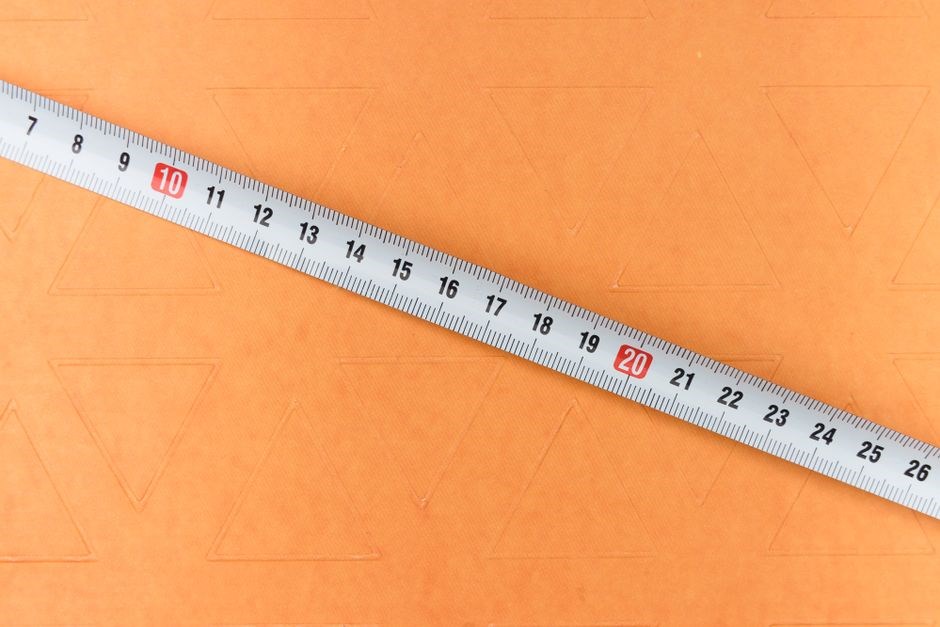
For the most accurate ring size, position your finger so the knuckle is relaxed and the finger is slightly bent, as it would be when wearing a ring. Avoid gripping the finger tightly; instead, let it hang naturally. Measure during the same time of day each time—preferably in the late afternoon or early evening—when your fingers are at their normal size. Avoid measuring immediately after exercise, a cold shower, or when your hand is swollen from a cold. Consistency in timing reduces variations caused by temperature and fluid shifts. Also, measure both the thumb and the finger you intend to wear the ring on, as some people have different sizes on each finger. If you have a habit of wearing rings on multiple fingers, record each measurement separately. This practice ensures that the chosen ring will fit comfortably in every situation. Additionally, keep in mind that finger size can fluctuate slightly throughout the day due to blood flow and activity levels. The best practice is to measure at the same point in the day, preferably when the hand is at rest and at a comfortable temperature. If you are pregnant or experiencing significant weight changes, re‑measure after the changes settle. Finally, use a flexible measuring tool or a strip of paper to capture the exact inner circumference, and double‑check the measurement to avoid errors. Remember that the ring’s fit should be snug, not too tight, and that the band should not slip or slide off during wear. Also, consider the ring’s comfort and durability to ensure a long‑lasting fit daily !
Accounting for Temperature and Daytime Variations
Temperature and time of day can subtly alter finger circumference, affecting ring fit. In cooler environments, blood vessels constrict, causing fingers to shrink by up to 0.2 mm. Conversely, warm settings dilate vessels, expanding fingers by a similar margin. To mitigate these shifts, always measure at a consistent ambient temperature—ideally between 68°F and 72°F (20°C–22°C). Avoid measuring immediately after exercise, a hot shower, or when your hand is exposed to extreme cold or heat. Instead, wait until your fingers return to a neutral state, typically 15–30 minutes after activity.
Daytime variations also play a role. Fingers tend to swell slightly in the late afternoon or evening due to fluid retention. For the most reliable data, perform measurements in the morning before any physical activity or exposure to temperature changes. If you must measure later, record the time and repeat the measurement a second time to confirm consistency. Using a flexible measuring tape or a paper strip allows you to capture the exact inner circumference. Always double‑check the reading, as a single‑digit millimeter difference can alter the final ring size by a full step in many sizing systems. By standardizing the environment and timing, you reduce the risk of ordering a ring that feels too tight or too loose, ensuring a comfortable fit over time.
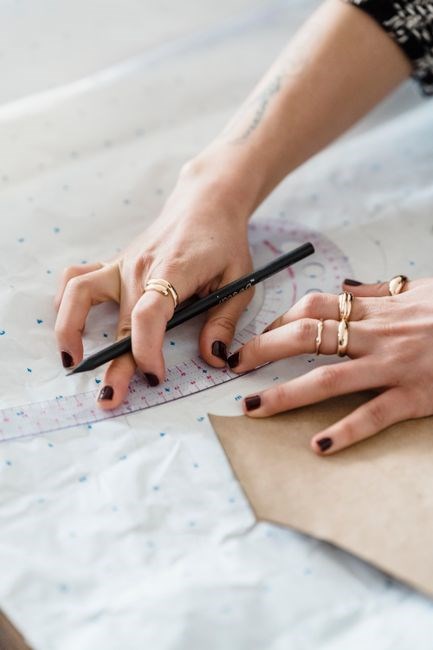
Keep the measuring tool flat against the finger, not angled. A tilt can read the circumference by a millimeter, the size by a step. Consistency is key
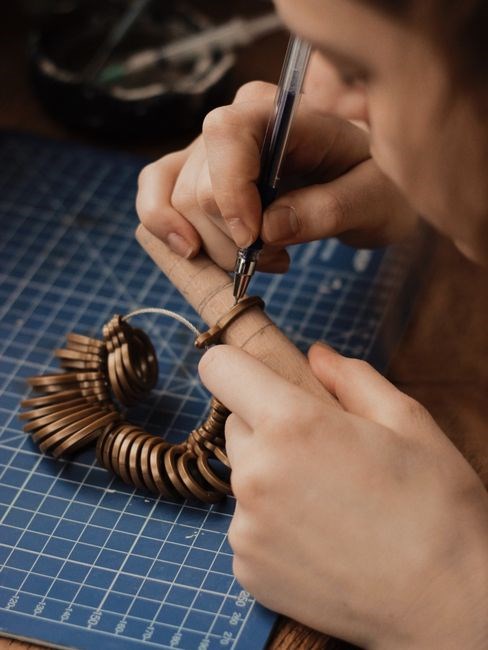
Converting Measurements to Ring Sizes
Convert inner circumference to standard sizes using charts. Measure in millimeters, then match to US, UK, EU tables. Round up if halfway. Remember width adjustments: a wider band requires a slightly larger size. Use a trusted chart for accuracy. ring fit.
Using Conversion Charts (US, UK, EU)
Conversion charts bridge the gap between raw measurements and the standardized sizing systems used worldwide. The most common systems are the United States (US), United Kingdom (UK), and European Union (EU). Each system assigns a unique number to a specific inner circumference, measured in either millimeters or inches. To use a chart, first determine your finger’s inner diameter in millimeters. Then locate that value on the chart, which will list the corresponding US, UK, and EU sizes side by side. For example, a 17.3 mm circumference typically translates to a US 7, a UK 7, and an EU 16.5. Because the EU system uses decimal increments, it often provides a more precise match, especially for non‑standard sizes. Some charts also include a “half” size option, allowing you to choose between the nearest whole numbers when your measurement falls between two standard values. When converting, remember that the chart assumes a standard ring width of about 2 mm; wider or narrower bands may require a slight adjustment. Many online retailers offer interactive conversion tools that automatically calculate the best fit based on your input. Always double‑check the final size against the retailer’s specific sizing guide, as small variations can occur between manufacturers.
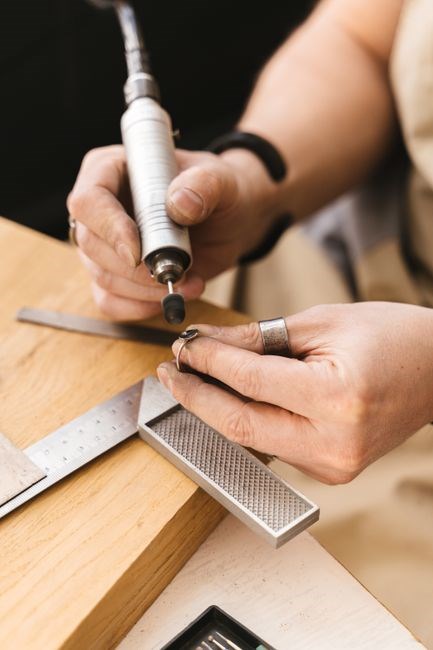
When using these charts, always consider the band’s width, as a thicker ring may sit slightly larger. Additionally, some jewelers provide a “plus” or “minus” adjustment for custom fits. Testing with a ring template before purchase guarantees confidence!!
Adjusting for Ring Width and Shape
Ring width influences the inner diameter needed for a comfortable fit. A wide band (4–6 mm) pushes the finger outward, so add roughly 0.25–0.5 mm to the measured diameter. A thin band (1–1.5 mm) sits closer, often requiring a slightly smaller size. Jewelers sometimes use a width factor: multiply the band width by 0.1 and add it to the inner diameter before converting to a size. Shape matters too; round bands distribute pressure evenly, while square or rectangular bands can feel tighter on the finger’s sides. Oval or teardrop designs accommodate natural finger curves and may feel more relaxed. Rings with a pronounced bezel or thick rim reduce the effective inner space, so a size up is advisable. When measuring, consider the ring’s profile: low‑profile bands sit closer to the finger, high‑profile bands sit higher, affecting perceived fit. Some jewelers recommend measuring the band’s actual inner circumference at the widest point for custom designs. By incorporating width and shape adjustments, jewelers can deliver a ring that fits comfortably and looks proportionate on the wearer’s finger. Temperature changes also affect finger diameter; warm fingers expand, cold fingers contract. Therefore, measuring in a comfortable, neutral temperature and at a consistent time helps achieve a reliable size. Additionally, a slight adjustment of half a size up or down can compensate for variations in band thickness. Thanks!
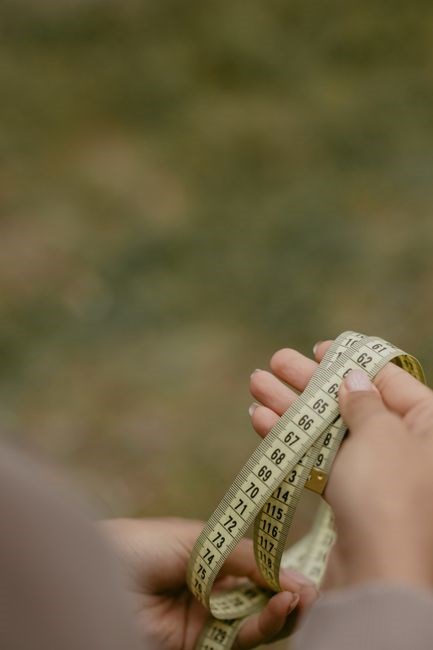
Final Steps Before Buying
Double‑check your size with a ring template or a jeweler’s ring sizer. Try the ring on both hands, in the morning and evening, to account for swelling. Verify the return policy, warranty, and shipping times. Read reviews and confirm the metal purity before final purchase.
Checking Fit with a Ring Template
Before finalizing a purchase, a ring template—an inexpensive, pre‑cut sheet of metal or plastic—serves as a reliable test. Place the template on the finger you intend to wear the band. Slide the template in and out to gauge snugness; a proper fit should feel secure yet allow a finger tip to pass through comfortably. If the template feels too tight, consider a half‑size larger. Conversely, if it slides easily, a half‑size smaller may be appropriate. The template method also reveals how the ring will behave with different hand positions, such as when the finger is bent or when wearing gloves. For rings with a narrow band, the template can expose potential pressure points that might cause discomfort over time. Additionally, using a template allows you to compare multiple ring styles side by side, ensuring that the chosen design not only fits but also complements your personal style. Finally, keep the template handy for future adjustments or for confirming the size of a replacement ring, saving both time and money. To refine the fit, jewelers recommend testing the ring at times of day, as finger size can fluctuate with activity and temperature. If you notice a slight gap after a few days, an adjustment—such as a small bead or a custom band—can bring the ring to comfort. For those who prefer precise measurement, a laser‑based ring sizer can capture minute differences that template might miss. Finally, remember that well‑chosen ring size only ensures comfort but also protects integrity of metal, preventing scratches or loosening time.
Professional Consultation and Common Pitfalls
When seeking a perfect fit, a jeweler’s expertise can be invaluable. A professional will use a calibrated ring sizer, often a digital or mechanical tool, to measure the inner diameter with millimeter precision. They will also assess finger shape—whether the finger tapers, widens, or has a pronounced knuckle—to recommend the most comfortable band width and profile. A skilled craftsman can adjust the ring’s circumference or suggest a custom fit if the standard sizes fall short. In addition, they can advise on material suitability, especially for those with sensitive skin or allergies, ensuring hypoallergenic options such as 14‑carat gold or platinum are considered.
Common pitfalls include relying solely on online size charts, which may not account for regional variations or the wearer’s daily temperature changes. Another mistake is ignoring the impact of ring width; a wide band may feel tight on a narrow finger even if the diameter matches. Overlooking the effect of jewelry stacking can also lead to discomfort. Finally, purchasing a ring without a return policy or a size‑adjustment guarantee can result in costly returns. By consulting a professional, you mitigate these risks, gain personalized advice, and secure a ring that balances style, comfort, and durability. Consulting a jeweler guarantees a precise fit that lasts years forever. Remember, a well‑chosen ring not only enhances your appearance but also safeguards your investment; always verify sizing with a professional before finalizing your purchase to avoid costly adjustments or returns. Consulting a jeweler guarantees a precise fit that lasts for years and enjoy peace of mind!!