The Sonos Play:1 user manual guides you through setup, controls, and features of this compact, high‑quality speaker. It covers network requirements, app usage, and troubleshooting to help you enjoy music and surround sound effortlessly. Fine‑tune for optimal sound. Enjoy crisp. OK

System Requirements
Play:1 needs a 2.4 GHz Wi‑Fi network, 802.11b/g/n, and a router with DHCP. It supports IPv4/IPv6, and requires a Sonos app on iOS or Android. Ensure no VPN or firewall blocks. Power via 5 V/1 A adapter. Compatible with most home networks.
All devices subnet now
Network Requirements
The Sonos Play:1 requires a stable wireless connection to function properly. It must connect to a 2.4 GHz Wi‑Fi network that supports 802.11b/g/n standards. The network should have DHCP enabled to assign IP addresses automatically. The router should not block multicast or UPnP traffic, as these are essential for device discovery and streaming. A strong signal strength of at least -70 dBm is recommended for reliable performance. The network should allow the Sonos app to communicate with the device over the local subnet. The device uses UDP and TCP protocols for streaming and control. For best results, keep the router firmware up to date and avoid using VPNs or firewalls that could interfere with traffic. The Play:1 can also be used in a home theater setup, pairing with other Sonos speakers for surround sound. Ensure all devices are on the same network segment to maintain low latency and synchronization. If the network is congested, consider limiting the number of connected devices or using Quality of Service (QoS) settings to prioritize audio traffic. The Sonos app must be installed on a mobile device or computer that can reach the router. The app communicates over Wi‑Fi or Ethernet, but the Play:1 itself only uses Wi‑Fi. The device does not support 5 GHz networks, so a dual‑band router should still provide a 2.4 GHz band for the speaker. In of network changes, such as a router or a password, the Play:1 must be re‑discovered by the app. The app will prompt the user to reconnect the device. The device also supports IPv6, so if your network uses IPv6, the speaker will automatically use it. The Sonos system can be expanded by adding more speakers, but each new speaker must meet the same network requirements. The Play:1’s firmware is updated automatically through the app, ensuring the latest features and security patches are installed. Proper network configuration is essential for a seamless audio experience. Enjoy crystal‑clear sound with every Play:1 setup and daily everywhere!!!
Device Compatibility
The Sonos Play:1 works seamlessly with a wide range of devices that support the Sonos app. iOS devices from iPhone 6 and newer, iPad 4th generation and newer, and iPod touch 6th generation and newer are fully compatible. Android devices running Android 6.0 (Marshmallow) or later, including most smartphones, tablets, and smart TVs, can download the app from Google Play. Desktop and laptop computers with Windows 7 or newer, macOS 10.12 or newer, and Linux distributions that support the Sonos web interface can also control the speaker. The Play:1 can be added to any existing Sonos system, whether it contains older models like the Play:5, Play:5 (Gen 2), or newer ones such as the Sonos One, Beam, or Arc. It also functions as a rear‑surround speaker in a home theater setup, pairing with the Sonos Home Theater or Sonos Soundbar. For voice control, the Play:1 is compatible with Amazon Alexa and Google Assistant when integrated through the Sonos app. The speaker’s firmware is updated automatically via the app, ensuring continued compatibility with new operating systems and network protocols. Because the Play:1 uses Wi‑Fi, it does not require a wired Ethernet connection, but it can be used in a wired network if the router supports 2.4 GHz Wi‑Fi. The device is also fully compliant with Sonos’ privacy and security standards, providing end‑to‑end encryption for streaming and control. Whether you’re adding a single speaker to a quiet study or expanding a multi‑room system, the Play:1’s broad compatibility guarantees a smooth setup and reliable performance across all supported platforms. Enjoy high‑fidelity sound wherever you choose to place it
Physical Overview
The Sonos Play:1 is a speaker measuring 7.4 inches tall and 5.5 inches wide. Its matte finish blends into any décor. The front panel hosts a power button and LED indicator; the back has a 3.5 mm jack and Wi‑Fi antenna. Lightweight, it fits in as a now rear‑surround unit!
Front/Back Controls
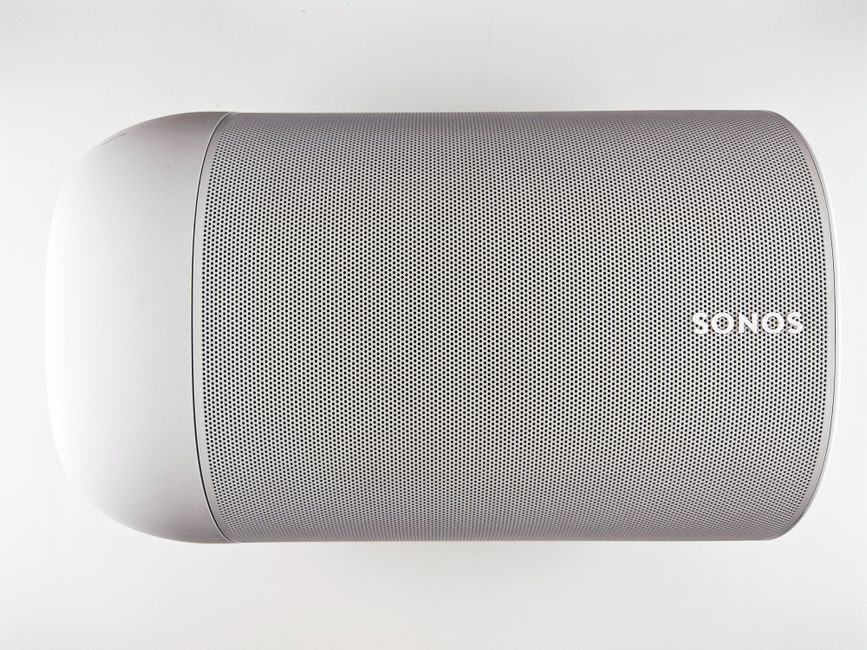
The Sonos Play:1 features a single power button located on the front panel, which also doubles as the device’s status indicator. When the speaker is powered on, a small LED lights up to show connectivity and playback status. The button is tactile and responsive, allowing you to turn the unit on or off with a simple press. On the back, a discreet Wi‑Fi antenna ensures reliable wireless connectivity, while the speaker’s internal firmware manages all audio processing. No additional physical controls are present; all volume, track, and pairing functions are handled through the Sonos app or compatible voice assistants. This streamlined design keeps the front panel uncluttered, letting users focus on the listening experience rather than manual adjustments. The power button’s ergonomic placement makes it easy to reach even when the speaker is mounted on a wall or placed on a shelf. When the LED flashes, it indicates a network issue or that the speaker is searching for a Wi‑Fi network. Once connected, the LED remains steady, signaling normal operation. If the LED turns red, it signals an error that requires troubleshooting via the app. The Play:1’s minimalistic control approach aligns with Sonos’s philosophy of seamless integration into any home audio setup. The button’s tactile feedback is subtle, providing a gentle click that confirms activation without audible noise. The LED’s color changes to green when connected, amber during setup, and red for errors offering cues.
Connectivity Ports
The Sonos Play:1 is designed for wireless integration, so it does not feature traditional audio input or output jacks. The only physical connection point is a standard 5‑V power adapter that plugs into a wall outlet. Internally, the speaker relies on Wi‑Fi for all network communication, using the 2.4 GHz band for reliable coverage and the 5 GHz band for higher throughput when available. The device’s antenna is built into the rear chassis, providing robust signal reception without the need for external antennas. Because the Play:1 has no HDMI or optical inputs, it cannot be connected directly to a TV or home theater receiver. Instead, it is added to a Sonos ecosystem via the Sonos app, which discovers the unit over the local network and configures it automatically. The app also manages firmware updates, ensuring the speaker remains compatible with the latest Sonos features. If you wish to use the Play:1 as a surround speaker, you simply pair it through the app; no physical cables are required. This wireless-only design keeps the speaker’s footprint minimal and eliminates clutter from cables, making it ideal for both tabletop and wall‑mounted installations. For troubleshooting, the app will notify you if the speaker cannot reach the Wi‑Fi network, prompting you to verify router settings or move the device closer to the access point. The Play:1’s lack of ports also means there is no need for additional adapters or converters, simplifying setup and maintenance and power!!
Setup Process
Connect the Play:1 to power, open the Sonos app, tap “Add Product,” follow prompts to join your Wi‑Fi network, name the speaker, and position it. The app will confirm setup and allow you to test sound. Enjoy music instantly. The speaker joins automatically and plays music.Now
Using the Sonos App
Open the Sonos app on your iOS or Android device. Tap “Add Product” and select “Play:1.” The app will search for the speaker on your local network. Once found, follow the on‑screen prompts to connect it to your Wi‑Fi router. You’ll be asked to name the speaker and choose a location. After the connection is established, the app will display a status screen confirming the Play:1 is online. From here you can control volume, play or pause music, skip tracks, and add the speaker to a stereo pair or surround setup. The app also offers Trueplay tuning; simply tap the “Trueplay” button and let the app guide you through a quick calibration to optimize sound for your room. If you ever need to move the speaker, simply select it in the app, choose “Move,” and follow the prompts to re‑add it to your network. The app’s settings menu allows you to update firmware, view device status, and access support resources. All interactions are designed to be intuitive, ensuring you can manage your Play:1 from anywhere in your home with minimal effort.
Additionally, the Sonos app provides a library of streaming services. “Add Music” button, can browse your personal playlists discover new tracks. The app’s equalizer lets you tweak bass and treble to match your room acoustics. If you encounter a disconnection, the app offers a quick “Reconnect” option, and you can view the network status to troubleshoot. For advanced users, the app supports manual IP assignment firmware updates, ensuring your Play:1 stays current.
Adding to Existing System
When adding a Play:1 to an existing Sonos system, first ensure that the speaker is powered and connected to the same Wi‑Fi network as your other devices. Open the Sonos app, tap the Home tab, and press the plus icon to add a new product. Select Play:1 from the list; the app will detect the unit once it broadcasts its presence. Confirm the addition, then assign a name that reflects its intended role—such as “Living Room Rear” or “Bedroom Left.” If you plan to use the Play:1 as a surround speaker for a home theater, choose the “Add Surround Speaker” option and follow the on‑screen steps to pair it with an existing Sonos home theater system. For stereo pairing, select “Create Stereo Pair,” then pick the two Play:1 units to combine. After the pairing process completes, the app will display the new configuration, and the speaker will automatically sync with your network. You can verify the integration by playing music from the app; the Play:1 should respond in real time. If the speaker does not appear, check that the firmware is up to date and that the device is within range of the router. You can also use the “Move” feature to relocate the speaker and re‑add it to the system. Once added, the Play:1 will appear in the Home screen, and you can control it alongside your other Sonos products, adjusting volume, adding to groups, or assigning it to specific rooms for precise audio distribution. The Play:1 supports Trueplay tuning via the app to adjust output to your acoustics. If connectivity issues arise, the app’s wizard guides resetting, verifying router settings, and ensuring no MAC filtering blocks it. Keep firmware current; Sonos pushes updates automatically, but you can manually refresh from the menu for optimal performance. This ensures the Play:1 remains fully compatible with your network and delivers the best possible sound quality today again now!!.
Wall Mounting Instructions
Mounting a Sonos Play:1 on a wall requires a few simple steps and the right hardware. Choose a wall that can support the speaker’s weight (about 2.5 lb) and is close to a power outlet or a power‑line adapter. Use a mounting kit with a sturdy bracket, wall anchors, and screws rated for drywall, brick, or concrete. Attach the bracket to the wall, level it, and position the speaker so its front face angles slightly upward. Align the Play:1’s mounting holes with the bracket, slide the unit onto the bracket, and tighten the screws until secure. Connect the speaker to power with the supplied cable, plug it into a nearby outlet or a power‑line adapter wired to your network. Open the Sonos app, tap the plus icon, and add the newly mounted Play:1 to your system. The app will detect the device, allowing you to name it, assign it to a room, and configure Trueplay tuning for the wall‑mounted position. Follow these steps carefully to ensure a secure installation and optimal audio performance. Make sure the bracket is firmly anchored to prevent any wobble during use. The Play:1’s compact design allows it to blend seamlessly into any décor. Enjoy crisp sound today.
For safety, unplug the speaker before mounting or unmounting. On drywall, use toggle bolts or molly bolts; on brick or concrete, drill a hole with a masonry bit and insert a suitable wall anchor. Avoid mounting near heat sources or damp areas. Keep ventilation openings clear and do not block the rear grille. Route the power cable with a cable sleeve or conduit to protect it. If you prefer a wireless power solution, use a power‑line adapter that plugs into your router’s Ethernet port. After installation, test the speaker by playing a track; adjust the position if the sound is too boomy or thin. Check the network connection and firmware if you notice distortion or dropouts. The Sonos app’s Trueplay feature can automatically tune the speaker to the wall‑mounted environment, improving clarity and balance. If you encounter any issues, consult the Sonos support page for troubleshooting tips. Follow these guidelines to securely mount the Play:1 and enjoy high‑quality audio from any room.
Audio Features
The Sonos Play:1 delivers rich, balanced sound with a 2.5‑inch driver and 1‑inch tweeter. It supports Dolby Digital, DTS, and Trueplay tuning for room‑specific calibration. Stereo pairing and surround support enhance home‑theater experience. Enjoy streaming and room sync!!!

Trueplay Tuning
Trueplay is a room‑specific tuning feature that uses your iOS device’s microphone to measure how sound behaves in your space. The Sonos app analyzes reflections, absorption, and speaker placement to adjust the Play:1’s equalization and volume so the audio feels natural and balanced. This process works automatically when you first set up the speaker, but you can run it again anytime you move the unit or change your room layout.
To re‑run Trueplay, open the Sonos app, select the Play:1, tap Settings, then Trueplay. The app will prompt you to place the iOS device near the speaker, hold it steady, and move around the room. After a few minutes, the speaker’s EQ profile updates automatically. This ensures consistent sound even after redecorating or adding furniture.
Trueplay is most effective when the speaker sits on a flat surface and the room has moderate acoustic treatment. Avoid placing the Play:1 directly on carpet or near large glass surfaces, as these can distort the measurements. If you notice a sudden change in sound quality after moving furniture, simply re‑run Trueplay to readjust the EQ.
While Trueplay provides a convenient way to optimize sound, it does not replace the need for proper speaker placement or room acoustics. Future firmware updates may refine the algorithm, but the core principle remains: measure, adjust, and enjoy a balanced listening experience tailored to your environment.
Enjoy the tuned sound for years and keep it fresh.!!

Troubleshooting & Support
When a Sonos Play:1 fails to appear in the Sonos app, begin by verifying that the speaker is powered and the LED indicator is flashing amber. Next, ensure the device is within 30 feet of the Wi‑Fi router and that no physical obstructions or interference from other electronics are present. If the speaker still does not show up, try resetting it by holding the play/pause button for 10 seconds until the LED flashes white, then re‑add it via the app. For intermittent audio dropouts, confirm that the router’s firmware is up to date and that the network is using the 2.4 GHz band, which Sonos devices prefer. If the Play:1 is connected but plays at a lower volume than other speakers, check the “Surround Volume” setting in the app and adjust the “Surround Speaker Volume” slider. In cases where the Play:1 is not responding to button presses, power‑cycle the speaker and router, then restart the Sonos app. Persistent connectivity issues can be resolved by moving the router closer to the speaker or using a Wi‑Fi extender. If all troubleshooting steps fail, contact Sonos support via phone or live chat, or post in the Sonos Community forums for peer assistance. The support team can guide you through advanced diagnostics, such as checking the network logs or performing a factory reset. Always keep the app updated to the latest version to benefit from bug fixes and new features. If problems persist, reset your router or visit Sonos support for detailed help and quick fixes. Enjoy seamless audio everywhere.?!